Best Crystals for ADHD: 6 Stones for Focus and Calm
Do you sit down to answer one email and look up forty minutes later with nine tabs open and the email still unwritten? Do your keys go missing twice before breakfast? Does your mind sometimes feel like a radio playing every station at once?
If any of that sounds familiar, you are in good company. Millions of people live with ADHD, and most of them build a personal kit of small, practical tools that make a busy mind easier to live with: timers, lists, headphones, a favorite fidget. For many people, a crystal earns a place in that kit.
The short answer: the crystals chosen most often for ADHD are amethyst, lepidolite, clear quartz, hematite, smoky quartz and fluorite. Crystals do not treat ADHD, and no clinical study shows that a stone changes attention, hyperactivity or impulsivity. What they offer is simpler and still worth having: something smooth and weighty to hold, a visible cue that focus time has begun, and a small ritual that belongs to you. This guide shows how people use them beside professional care.

Quick picks: the best crystal for ADHD by need
Short on time? Start with the moment that gives you the most trouble and choose one stone for it.
| When you need | Stones in crystal tradition | A simple way to use it |
| To start a task you keep avoiding | Clear quartz, tiger eye, carnelian | Set the stone beside your work and name one small first step out loud. |
| To stay with a task | Fluorite, clear quartz | Keep it in view while you work and put it away when you finish. |
| Something for restless hands | Hematite, smoky quartz | Turn it between your fingers during calls, lectures and meetings. |
| A pause for a racing mind | Amethyst, lepidolite, blue lace agate | Hold it in your palm and take five slow breaths. |
| To wind down at night | Amethyst, lepidolite | Leave it on the bedside table as the signal to put the phone down. |
What is ADHD?
Attention-deficit/hyperactivity disorder (ADHD) is a neurodevelopmental disorder. The US National Institute of Mental Health describes three main features:
- Inattention: difficulty staying on task, keeping focus and staying organized.
- Hyperactivity: restlessness, fidgeting or talking a great deal.
- Impulsivity: acting or speaking before thinking, or finding it hard to wait.
It looks different from one person to the next. One person loses track of time, another cannot sit through a meeting, and a third does both before lunch. Only a qualified health professional can diagnose ADHD. The standard treatments are medication and psychosocial approaches such as cognitive behavioral therapy, parent training and school support. Crystals belong beside that care, never in place of it.

Why crystals appeal to ADHD minds
Have you ever caught yourself rubbing a smooth pebble, clicking a pen or spinning a ring while you think? Then you already understand most of the appeal. People have kept stones close for comfort for thousands of years, and for someone with ADHD a crystal tends to earn its place in four practical ways:
- Something to hold. A tumbled stone or a pendant gives restless hands a quiet job. Many people say that keeping their fingers busy makes it easier to stay with a conversation or a task.
- Something to look at. Bands of color in fluorite or light moving through clear quartz give the eyes a calm place to rest for a moment.
- A cue you can see. Out of sight often means out of mind. A stone that sits on the desk only during work time becomes a visible signal that focus time has started.
- An interest to enjoy. Learning the names, sorting by color and building a small collection is satisfying in its own right.
You do not need to believe in crystal energy for any of this to be useful. These are personal experiences, not measured effects. Choose the stone you enjoy looking at and holding, because that is the one you will keep using.
The 6 best crystals for ADHD
These are the six stones named most often. For each one you will find what it is, what crystal tradition says about it, why people with ADHD like it, and one simple way to try it.

1. Amethyst
What it is: The purple variety of quartz and one of the best-known crystals in the world.
In crystal tradition: The classic calming stone, associated with a quiet mind and restful evenings.
Why people with ADHD like it: The cool purple color is easy on the eyes, and a tumbled piece is smooth enough to hold for a long time without distraction.
Try it: Hold a piece of amethyst during a call you find hard to follow, or keep one on the bedside table as part of your evening routine. To wear it, see the amethyst necklace, the amethyst tumbled pendant or all amethyst jewelry.

2. Lepidolite
What it is: A lilac to pink mica with a soft shimmer. Lepidolite contains lithium as part of its mineral structure. Wearing or holding it does not deliver lithium to the body, and it does not work as a medicine.
In crystal tradition: Known as a stone of transition and associated with emotional balance during busy or changing times.
Why people with ADHD like it: Its gentle color and shimmer feel restful, and many people keep it for the days when plans change and feelings run high.
Try it: Carry it on a day full of transitions, such as travel, a new class or a packed schedule, and touch it each time you move from one thing to the next. See the lepidolite point pendant or the wire-wrapped lepidolite pendant. It is a soft stone, so store it apart from harder pieces.

3. Clear Quartz
What it is: Colorless, transparent quartz, often cut or grown as a six-sided point.
In crystal tradition: Called the master healer and linked with mental clarity and with strengthening an intention.
Why people with ADHD like it: Light moves through it in a way that is pleasant to watch, and a point gives the eye a clear direction to follow.
Try it: Before a work session, hold the stone and say one sentence, such as "I will finish this report before lunch." Then place it where you can see it. See the clear quartz pendant.

4. Hematite
What it is: A heavy, metallic gray iron oxide that feels cool to the touch.
In crystal tradition: Associated with grounding, the feeling of being steady and present.
Why people with ADHD like it: It is heavier than it looks. That weight is easy to notice in the hand, which makes it a favorite worry stone.
Try it: When your attention drifts, press the stone into your palm for a few seconds and notice its weight and temperature before you return to the task. See the hematite pendant.

5. Smoky Quartz
What it is: A translucent brown to gray variety of quartz.
In crystal tradition: A grounding stone that is said to help gather scattered thoughts.
Why people with ADHD like it: Its quiet, earthy color does not compete for attention, so it sits well on a desk that already has plenty going on.
Try it: Turn it between your fingers during a short break in the afternoon, when energy tends to dip. See the smoky quartz pendant.

6. Fluorite
What it is: A glassy mineral that forms in bands of purple, green and blue.
In crystal tradition: Sometimes called the genius stone, and linked with order, study and clear thinking.
Why people with ADHD like it: The bands of color reward a long look, which makes it a satisfying object to pick up between pages or problems.
Try it: Keep it on your study desk and pick it up each time you begin a reading session. Put it down when the session ends. See the fluorite pendant.
Browse every piece in the crystals for ADHD collection.
Crystals for ADHD and anxiety
Does a busy mind sometimes tip over into worry? Many people with ADHD also live with tension and racing thoughts, and this is where a calming ritual is most welcome. In crystal tradition, the stones associated with calm are amethyst, lepidolite, blue lace agate, howlite and amazonite.
A simple practice many people use:
- Hold the stone in your palm and close your hand around it.
- Notice three things about it: its weight, its temperature and its texture.
- Take five slow breaths, a little longer on the way out than on the way in.
- Name the next small thing you will do, then do only that.
If worry is frequent or heavy, tell your doctor. Anxiety deserves its own support.
Crystals for kids with ADHD
Children are often drawn to crystals without any prompting. If your child keeps a pocket full of pebbles, a crystal can become a welcome comfort object. A few points keep it safe and positive:
- Size matters. Small stones and beads are a choking hazard for young children. Choose a large, smooth tumbled stone and supervise its use.
- Let the child choose. The stone a child picks is the one that child will keep close.
- Give it a job. A homework stone that comes out only at homework time, or a calm-corner stone for big feelings, works well as a gentle cue.
- Keep expectations kind. A crystal is a comfort object. It is not a way to fix behavior, and it does not replace the support a child receives from a doctor, a therapist or a school.
- Check the school rules. Ask the teacher before a stone goes into a school bag.
Crystals for ADHD at work and study
Is your desk the place where focus goes to hide? A small system gives each stone a clear meaning, so your brain reads it at a glance:
- A start stone. Tiger eye or carnelian for the task you have been avoiding. Place it on the work and begin with the smallest step.
- A focus stone. Fluorite or clear quartz that sits in view only while you work. Many people pair it with a timer set for 25 minutes.
- A break stone. Amethyst or lepidolite for the moments when you feel overloaded. Pick it up, breathe, and step away from the screen.
- A pocket stone. Hematite or smoky quartz for meetings and lectures, when your hands need something quiet to do.
ADHD crystal jewelry: pendant or bracelet?

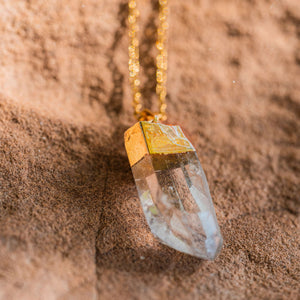
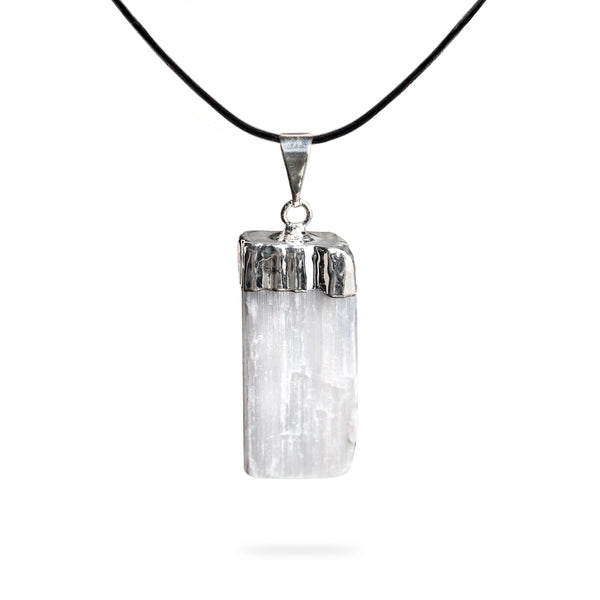
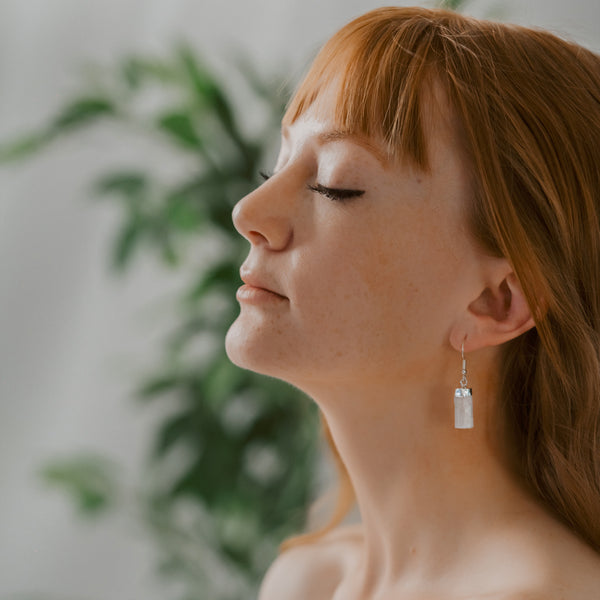
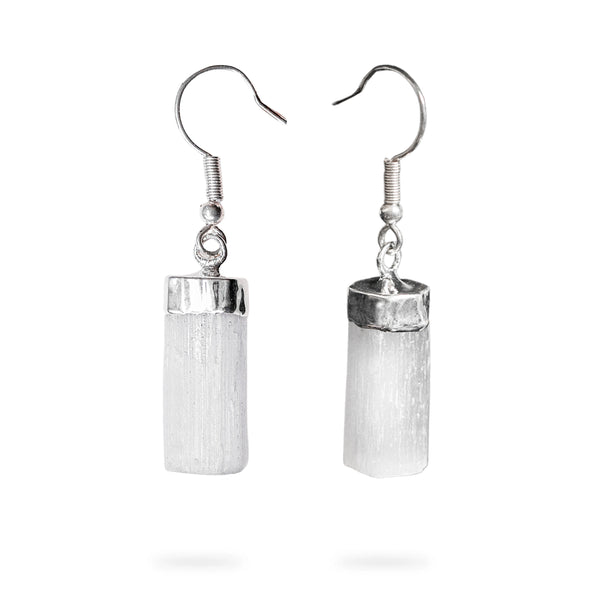
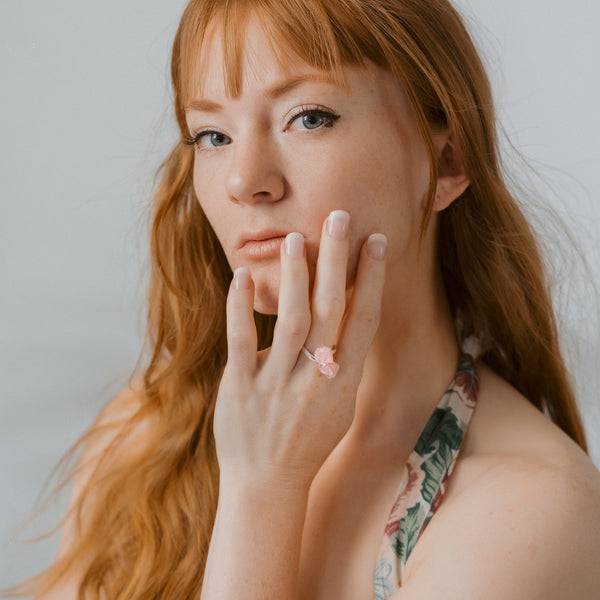
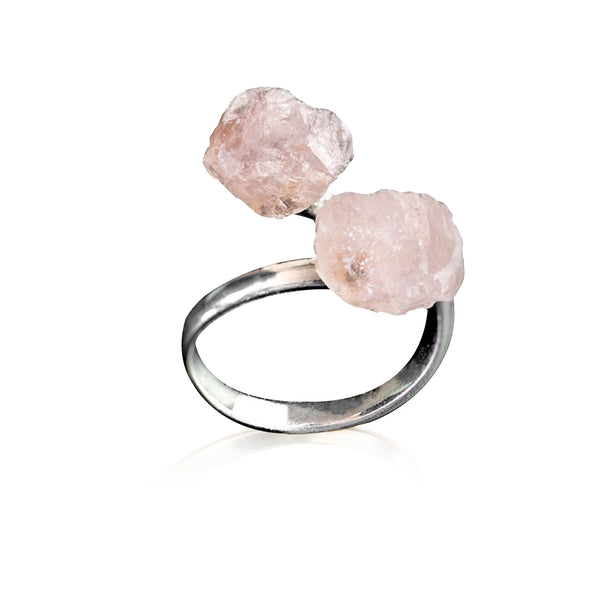
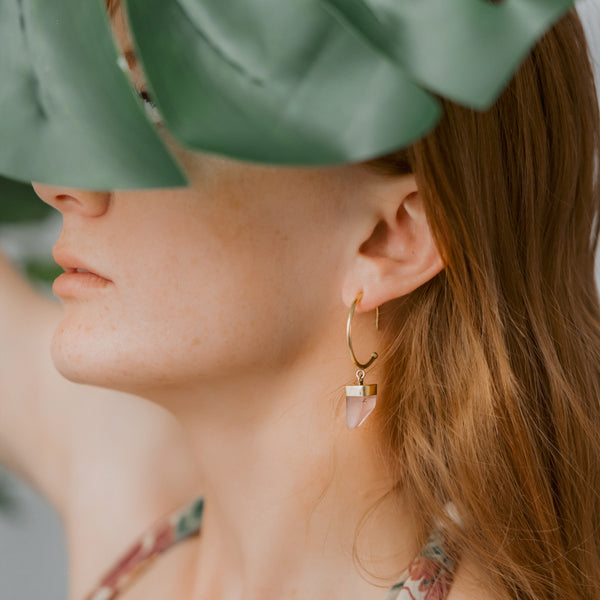
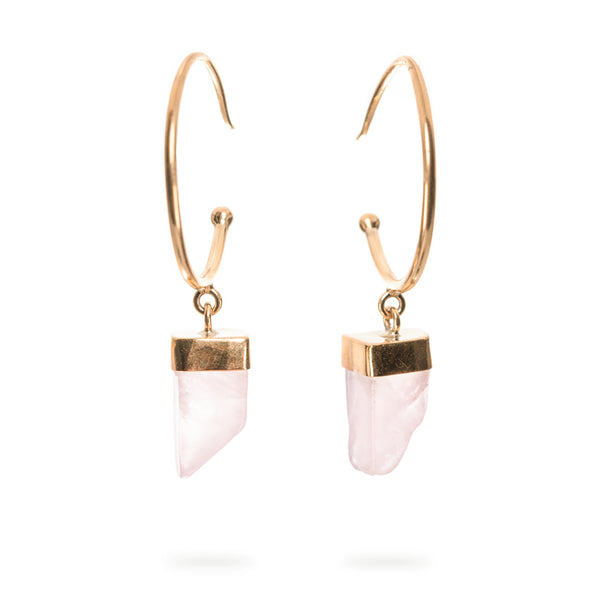
Jewelry keeps a stone within reach all day and stays discreet in a classroom or a meeting. A bracelet sits on the wrist where you can see it. A pendant hangs at the chest, where it is easy to hold and turn between your fingers, and it stays out of the way when you type or write. Most of our pieces are pendants. Beyond the six stones above, these are popular choices in crystal tradition:
- Sodalite: associated with logic and calm thinking. See the sodalite pendant.
- Lapis lazuli: traditionally linked with learning and memory, and a popular study companion. See the lapis lazuli pendant.
- Tiger eye: associated with confidence and follow-through. See the tiger eye pendant.
- Carnelian: associated with motivation and getting started. See the carnelian pendant.
- Labradorite: loved for the flash of blue and green that appears as you turn it in the light. See the labradorite pendant.
If jewelry bothers your skin or you dislike the feel of a cord, carry the stone in a pocket instead. It works the same way.
Choose by feel, not only by name
How a stone feels matters as much as what tradition says about it. Tumbled and polished stones are smooth and predictable. Raw stones are textured and more stimulating to touch. Heavier stones are easier to notice in the hand. When you are unsure, start with a smooth tumbled piece and pay attention to which one you keep reaching for.
Caring for your crystal jewelry

- Dry cleansing: Moonlight and smoke are gentle methods that suit every stone in this guide. See our cleansing methods for beginners.
- Water: Some stones are best kept dry. Check our guide to crystals that cannot go in water before rinsing any piece.
- Sunlight: Amethyst, smoky quartz and fluorite can fade in strong sun, so store them out of direct light.
- A fixed home: Give your stones one bowl or tray near the door or the desk. A set place means fewer lost pieces.
A simple daily crystal routine

The best routine is the one short enough to survive a chaotic morning. This one takes about two minutes across the whole day:
- Morning: Pick one stone from the bowl. Hold it for a moment and name one thing you want from the day. Put it on or in your pocket.
- Work or school: Set your focus stone beside the keyboard or notebook when you begin, and put it away when you finish.
- Afternoon: When your attention fades, hold the stone and take five slow breaths before you switch tasks.
- Evening: Return the stone to its bowl and leave an amethyst on the bedside table as the reminder to put the phone down.
Missed a day? Start again tomorrow. Nothing is lost.
What helps most with ADHD

A crystal works best as a small part of a wider plan. These are the supports that carry the most weight:
- Professional care: A doctor or mental health professional can confirm a diagnosis and build a treatment plan. Decisions about medication belong with your prescriber, and nothing in this guide is a reason to stop or change a prescription.
- Therapy and skills training: Cognitive behavioral therapy, parent training and school support are established approaches.
- Routine and structure: Planners, calendars, reminders and smaller task steps make the day easier to manage.
- Movement, sleep and meals: Regular activity, steady sleep and balanced meals support general wellbeing.
- Mindfulness: Some people find a few minutes of breathing practice useful, and a crystal makes a simple object to focus on.
For a wider look at sensory comfort and stone choice, read our guide to crystals for neurodivergent people.
Frequently asked questions
What is the best crystal for ADHD?
There is no single best stone. In crystal tradition, fluorite and clear quartz are chosen most often for focus, hematite and smoky quartz for grounding, and amethyst and lepidolite for calm. The best one for you is the stone you enjoy holding and will keep near you.
Can crystals treat or cure ADHD?
No. Crystals do not treat or cure ADHD, and no clinical study shows that they change its symptoms. People use them as calming objects and focus rituals beside professional care.
Which crystals help with focus?
Fluorite, clear quartz and lapis lazuli are the stones linked most often with focus and study in crystal tradition. Many people use one as a desk cue that marks the start and the end of a work session.
Does lepidolite work like lithium medication?
No. Lepidolite contains lithium within its mineral structure, but a stone that is worn or held does not release it into the body. It is not a substitute for any prescribed medicine.
Are crystals safe for children with ADHD?
Small stones and beads are a choking hazard for young children. Choose larger pieces for older children, supervise their use, and speak to their doctor about ADHD support.
Can I use crystals alongside ADHD medication?
A crystal that is worn or held stays outside the body, so it is not known to interact with medication. Keep taking any prescribed medicine as directed and raise questions with your prescriber.
Do I have to believe in crystal energy for this to be useful?
No. Many people use crystals purely as sensory tools and visual reminders. A smooth stone in the hand and a cue on the desk do their job whatever you believe.
How many crystals do I need?
One is enough to begin. Pick a single stone for the moment that gives you the most trouble, use it for two weeks, and add a second only if the first has earned its place.
Start small, and be kind to your busy mind
You do not need a full collection or a long ritual. You need one stone you like, one moment in the day to use it, and a little patience with yourself. If a crystal on the desk becomes the thing that gets you to begin, to breathe or to put the phone down, it is doing its job.
This article shares crystal healing traditions for general interest. Crystals are not medical devices and do not diagnose, treat or cure ADHD or any other condition. Please speak to a healthcare professional about diagnosis and treatment.